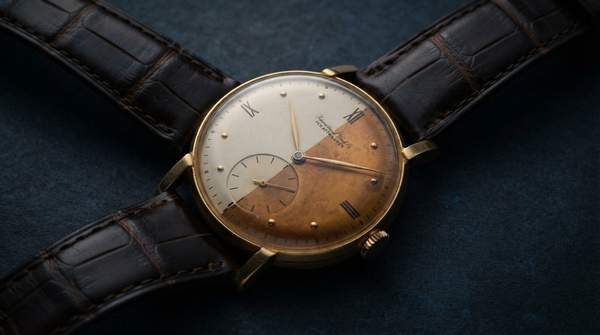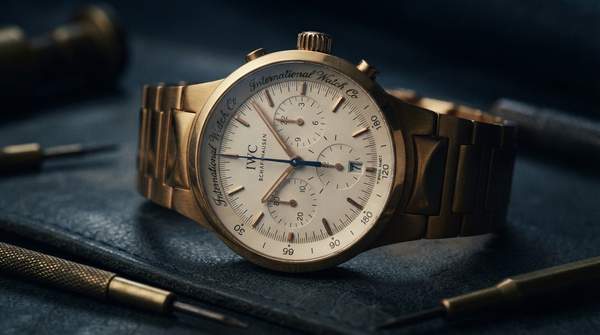
Rare IWC chronographs earn collector devotion for three very different reasons, and choosing among them is really a choice about which of IWC's ambitions speaks to you: the Da Vinci Perpetual Calendar Chronograph embodies the brand's ingenuity in the aftermath of the quartz crisis, the Il Destriero Scafusia represents the outer limit of what a traditional manufacture could engineer into a wristwatch, and the Pilot's "Le Petit Prince" special editions pair serious complications with a poetic, aviation-borne identity. Each is a chronograph, but almost incidentally so—these are watches whose significance lies in what surrounds the stopwatch function.
IWC's Legacy of Innovation: A Collector's Perspective
For nearly fifty years, IWC's own account of the Da Vinci line frames the collection as "a symbol of innovation in fine watchmaking," with milestones that include Switzerland's first quartz wristwatch, Kurt Klaus's legendary perpetual calendar, the world's first black ceramic case, and Schaffhausen's first in-house chronograph. That resume matters for collectors of the brand's rare chronographs, because it establishes the pattern each of our three watches extends: IWC repeatedly used complicated timekeeping to demonstrate what its engineers could do, whether the wider market was buying quartz or not.
What unites these pieces, as the watch publication Outlook Luxe observes, is that "their significance is not simply a matter of counting complications. The challenge lies in coordinating them, managing the available space and ensuring that the watch remains a functioning instrument rather than a collection of impressive ideas." That standard—coordination rather than accumulation—is the yardstick for the comparison below, and each of the three watches meets it in a different era and a different idiom.