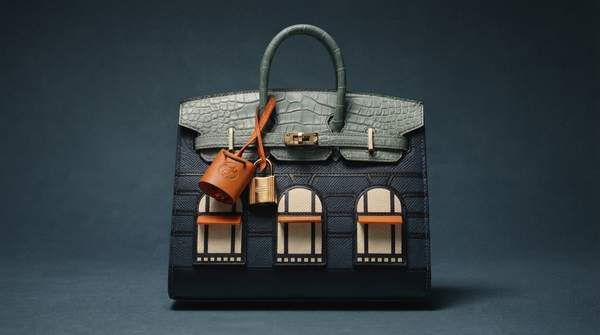
Two luxury handbags stand out for documented long-term appreciation: the Hermès Birkin and the Chanel Classic Flap. The Birkin has averaged roughly 14.2% compound annual growth over the last decade, according to Rome Station's analysis of handbags versus traditional investments, while the Classic Flap typically holds about 135% of its retail price on the secondary market. They get there by different routes—one through manufactured scarcity, the other through relentless price increases.
The Allure of Luxury Handbags as Investments
Luxury handbags have shifted from pure indulgence to what analysts describe as a "collectible investment cycle," according to Kotak's private banking insights. Prices across the segment rose 10.25% annually from 2022 to 2025—growth comparable to luxury real estate at 10.8% and stronger than major Indian stock indices over the same period, as Kotak reports.
Unlike fast fashion, these bags do not depreciate the moment they are bought. Kotak attributes their staying power to scarcity, craftsmanship, and heritage rather than seasonal trends. Resale platforms such as Vestiaire Collective and Luxepolis have seen double-digit growth in resale activity, particularly for Hermès, Chanel, and Goyard. But performance is selective: only certain models from top-tier brands actually gain value, so picking wisely matters.