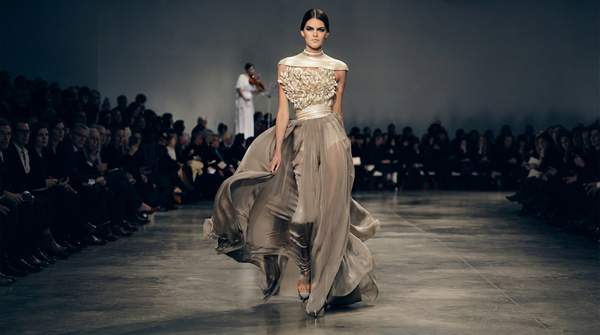
In his Spring/Summer 2027 ready-to-wear collection for Chanel, presented on October 5 at the Grand Palais in Paris, creative director Matthieu Blazy offered not just a new season of clothing, but a narrative journey through the life of the house’s founder. The show was structured as a biographical arc, tracing Gabrielle “Coco” Chanel’s personal and stylistic evolution from her revolutionary beginnings to the established glamour of her later years. Blazy framed the collection’s theme as a “layered history of selves within a layered history of the clothing she wore,” a concept made tangible through a carefully sequenced runway presentation.
The collection reinforces a commercially and critically successful strategy for Blazy, whose tenure has seen Chanel rise to the top of the Lyst index as the world's hottest brand, according to an analysis by Coveteur. By delving into the founder's personal history, Blazy is re-energizing house codes and revealing new dimensions within Chanel's established legacy rather than attempting to rewrite it. This approach connects the brand’s past to a distinctly modern consumer sensibility, proving both creatively compelling and highly successful.
Blazy's Narrative Through Design: A Thematic Map
The collection unfolds as a biographical progression, with specific looks and materials corresponding to distinct eras in Gabrielle Chanel's life and design philosophy. This approach connects Blazy's modern reinterpretations directly to the narrative of Chanel's own liberation and evolving identity. The structure of the show maps a clear path from youthful rebellion to iconic status, with each garment serving as a chapter in the story.
| Era of Gabrielle Chanel's Life | Key Design Element | Blazy's SS27 Reinterpretation |
|---|---|---|
| Early Years: Liberation | Pioneering Jersey | The show opened with a sheer, gauzy jersey dress, referencing Chanel's early, un-corseted lines and her rebellion against restrictive Edwardian fashion. This look symbolizes the foundational stage of her design philosophy, which prioritized freedom of movement. |
| Mid-Career: Rebellion | Menswear Tailoring | Formal daywear, including wool trousers and suit jackets transformed into raw-edged gilets, reflects Chanel's extensive exploration of menswear. This highlights her influence in integrating comfort and practicality into high fashion for women. |
| Later Life: The Established Icon | The Tweed Suit | The collection closed with modern interpretations of the iconic tweed suit, representing the richer expressions of glamour from her later life. These deconstructed and re-proportioned suits demonstrate a contemporary update to the house's most recognizable garment. |