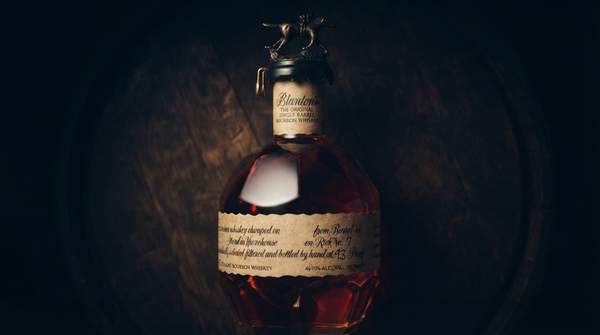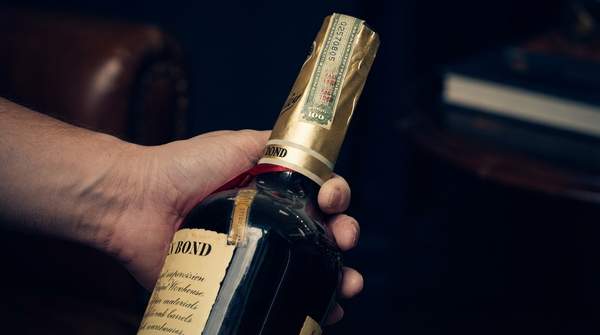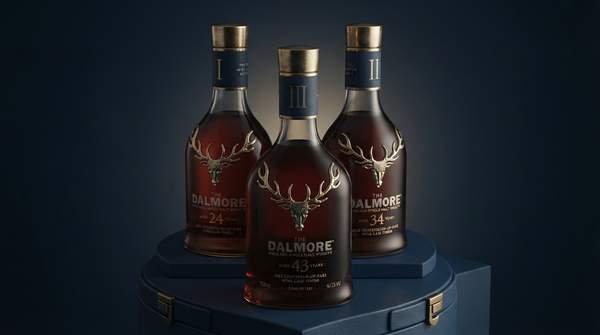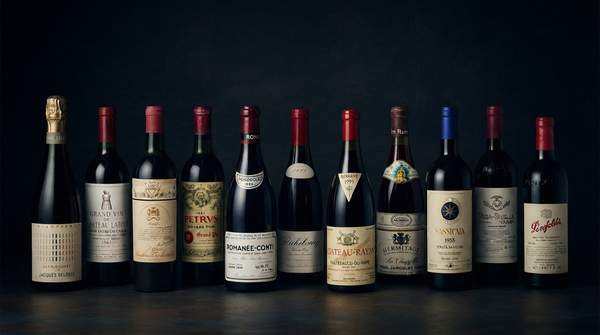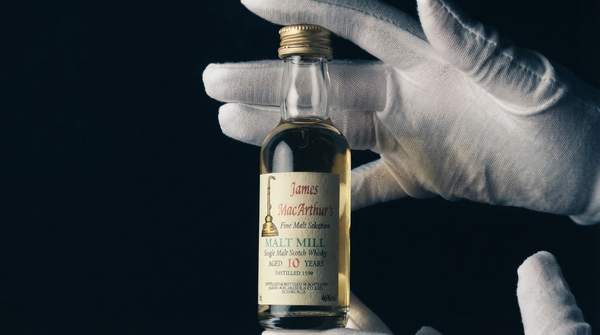
The investment potential of a rare spirit is not a single number on a price tag. It is a composite of four things you can actually assess before money changes hands: how scarce the bottle is, whether its history of ownership can be verified, the reputation of the distillery behind it, and where collector demand for its category is heading. A structured pass through those four factors turns anecdotal advice into a repeatable decision process — and it is the difference between collecting pretty bottles and building a collection that can hold and grow value.
Introduction: Building Your Rare Spirits Investment Framework
Rare spirits investment is, at its core, the pursuit of returns from something you can literally raise a glass to, as one market observer puts it. But the same sources that celebrate the category's appeal are blunt about what separates a sound acquisition from an expensive mistake. The price of a luxury spirit is a complex recipe of time, scarcity, artistry and presentation — rarely any single thing. That complexity is exactly why a framework helps. Rather than chasing names or headlines, a collector who scores every candidate bottle against the same criteria makes decisions that can be explained, defended and repeated. What follows breaks the evaluation into its four drivers, then consolidates them into a working checklist.
Factor 1: Rarity and Scarcity
Scarcity is the engine of appreciation. Limited edition releases and bottles from closed distilleries are, in the words of one market guide, "like catnip for collectors and investors alike," and the scarcity factor can drive up values substantially over time. Rarity is not merely about age, either: it lives at the intersection of discontinued distilleries, unique cask finishes and limited batch releases. The benchmarks illustrate the point. The Yamazaki 55-Year-Old represents the height of rarity and patience, valued at nearly $800,000, while Pappy Van Winkle's 23-Year Family Reserve commands secondary market prices reflecting its legendary status and extremely limited supply. When you evaluate a bottle, ask concretely: how many were made, is the source still producing, and can this expression ever be repeated?
Factor 2: Provenance and Authenticity
Provenance — the documented history of ownership — plays a huge role in determining a spirit's value, and bottles with clear, verifiable origins are more desirable to buyers and collectors. In this market, provenance is almost as important as the liquid itself. The reason is fraud. Cases of counterfeiting have increased in recent years, even among high-value bottles, and purchasing from private individuals is, in the words of one specialist operator, "always a gamble." The same warning appears across sources: always verify authenticity before purchasing, and prioritize trusted retailers with direct distillery relationships or sellers with strong verification processes. When you scrutinize a candidate bottle, ask who owned it before, what documentation exists, and whether the seller's channel can stand behind the answer. A bottle without a traceable story is a bottle with a discounted future.
Factor 3: Distillery and Brand Reputation
Brand equity is the factor that holds value when markets wobble. Certain distilleries — Macallan, Glenfiddich and Yamazaki are repeatedly named — are famous for producing collectible, investment-grade spirits. Region matters alongside the name: Scottish single malts are highly prized, while Irish, Japanese and American whiskies are also sought after. Recognition compounds the effect. Spirits that have won prestigious awards or feature a unique production process tend to be more desirable. A "blue-chip" distillery does not guarantee appreciation, but it provides something a no-name bottle cannot: a base of collector recognition that supports resale demand. When scoring a bottle, weigh the distillery's standing, its regional category's prestige, and any documented awards.
Factor 4: Market Trends and Demand
The final factor is the market itself. The rare whisky market has seen a remarkable surge in recent years, driven by scarcity, by collector passion — many investors here are also enthusiasts, creating a market moved by both financial interest and genuine love of the product — and by notable economic resilience, with demand and prices of rare whiskies increasing even during a recent pandemic downturn. But trends shift by category and distillery, so the practical instruction from market guides is to stay informed about which distilleries or types of spirits are gaining popularity among collectors and investors. Collector passion and market dynamics significantly influence potential returns. For the evaluator, this means checking where the bottle's category sits today, not where it sat five years ago.
Your Rare Spirits Investment Checklist
Use this framework to score any candidate bottle across the four factors, then read the combined result as a qualitative buy, consider or pass signal. Score each factor as strong, mixed or weak based on the questions below.
| Factor | What to verify | Strong signal |
|---|---|---|
| Rarity and Scarcity | Limited edition or closed-distillery release; batch size; can the expression be repeated? | Tight supply, discontinued source, benchmark-level scarcity |
| Provenance and Authenticity | Documented history of ownership; seller channel; verification process | Clear, verifiable origin from a trusted retailer or reputable seller |
| Distillery and Brand Reputation | Distillery standing (e.g., Macallan, Glenfiddich, Yamazaki); region; awards | Recognized investment-grade producer with documented recognition |
| Market Trends and Demand | Current collector interest in the category and distillery | Category gaining popularity with active collector demand |
Interpreting the result: four strong signals point toward a buy; a weak provenance score on its own is a pass regardless of the other three, because unverifiable ownership undermines resale value and carries counterfeit risk; mixed results elsewhere warrant continued research — a consider. This is a qualitative assessment of appreciation potential, not a financial recommendation or a price prediction.
Making Informed Investment Decisions
Collectors should prioritize rare spirits with verifiable provenance, strong brand reputation and high scarcity, while actively monitoring market trends. The framework's value is its repeatability: the same four questions apply to a $500 bottle and a $50,000 one. This guide is informational, not financial advice; it covers principles of evaluation, not specific bottle recommendations, price forecasts, or the logistics of storage, insurance and liquidation. The measurable test of whether it works is simple: the collector successfully applies the checklist to a potential acquisition, resulting in a clear buy, consider or pass decision — a documented verdict you can compare against how the bottle actually performs at auction.
Sources
- Investing in Vintage Spirits: Provenance, Scarcity, and Storage Guide — WORLD
- Rare Spirits Investment: Understanding the Market and Making Smart Choices — Paul’s Liquor
- A Smart Collector’s Guide to Expensive Liquor — Sip Tequila
- How to Start Investing in Spirits: A Beginner’s Guide to Investing in Rare Spirits - The Spirits Club