Every cask finish leaves a signature. Sherry casks push a whisky toward dried fruit and walnut depth; Port casks deliver ruby color and berry sweetness; Mizunara oak adds an incense-and-sandalwood exoticism that few distilleries outside Japan can even attempt. Understanding what each cask contributes—flavor, color, and rarity—is the fastest way to predict what a bottle will taste like before you pour it, and why some finished expressions command collector attention while others remain everyday pours.
Sherry Casks: Richness and Depth
Sherry finishing is the most traditional route a distiller can take, and it remains the benchmark against which other finishes are judged. According to Tenmile Distillery's guide to cask finishing, sherry casks add rich fruit flavors, nutty notes, and deep amber colors to a whisky. The effect is not uniform, though: the specific sherry that previously occupied the cask determines the direction of the finish.
Oloroso sherry casks provide dried fruit and walnut characteristics, while Pedro Ximénez casks contribute intense sweetness and fig-like flavors. That distinction matters at the shelf. A whisky finished in Oloroso leans toward raisiny, nutty richness; a PX-finished expression will read noticeably sweeter, with dark, figgy concentration. For connoisseurs, the lesson is to look past the words "sherry finish" on the label and find out which sherry was involved.
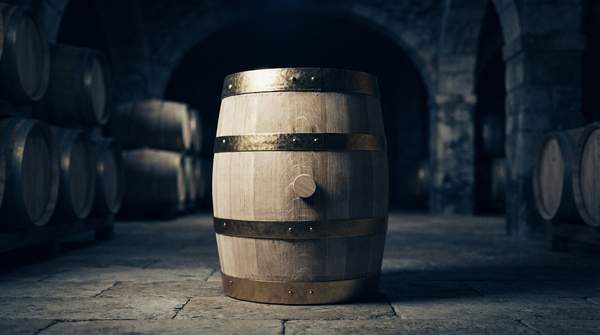
One further variable sits in the wood itself. Tenmile notes that the char level of the finishing cask plays a crucial role—heavier char creates more surface area for interaction and can impart smokier, more intense flavors. Two Oloroso finishes can therefore taste meaningfully different depending on how the cask was prepared before the whisky ever entered it.