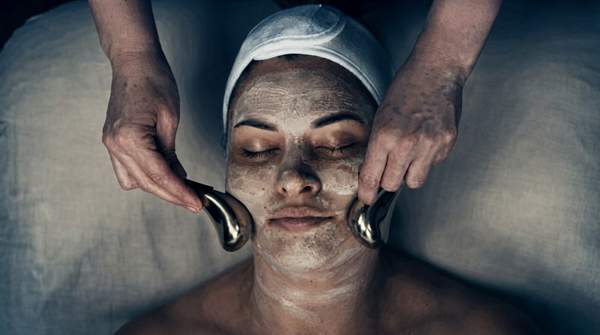
A cryotherapy facial can plausibly deliver an immediate, observable glow: cold constricts and then rebounds blood flow, calms inflammation, and temporarily tightens the skin's appearance. What it cannot yet promise is the headline claim most often attached to it — that a blast of cold measurably rebuilds collagen and produces lasting structural rejuvenation. That idea is biologically plausible, and early research is described as promising, but reviewers of the field consistently note that stronger, longer-term evidence is still needed. This article separates the two pathways so you can judge the treatment on evidence rather than marketing.
Understanding Cryotherapy Facials: Beyond the Chill
A cryofacial is a localized treatment: controlled cold is applied to the face, typically via a handheld device or cold-air wand, with no incisions, anesthesia, or recovery period. Providers frame it as an alternative to invasive procedures for people seeking instant rejuvenation, reduced puffiness, and enhanced skin clarity without downtime. One New York provider, IT Intelligent Treatment, describes its CryoFacial as a treatment for skin tightening, redness reduction, and inflammation control that "stimulates circulation, boosts collagen production, and restores your skin's natural radiance."
That sentence contains two very different kinds of claim, and the distinction matters. The circulation and inflammation effects are immediate and observable. The collagen claim is slower, structural, and — critically — rests on a proposed mechanism rather than settled clinical proof. Collagen is the protein that gives skin its structure and support, which is why maintaining it is the central ambition of most anti-aging skincare. The question is whether cold, applied briefly to the face, actually moves that needle.