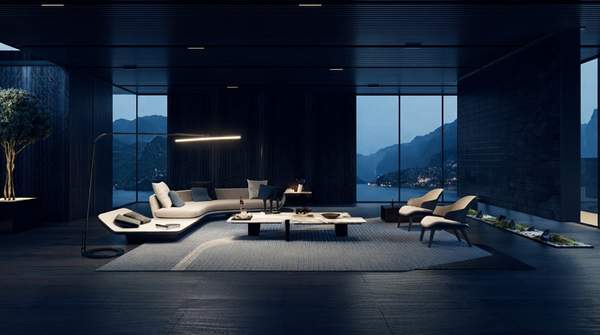
Marisol Malibu, a luxury development in Southern California, has achieved zero-carbon status, setting a new benchmark for high-end sustainable living. This verifiable commitment, rooted in rigorous design and material selection, integrates sophisticated eco-conscious systems throughout its exclusive properties. Historically, luxury homes have embodied lavish consumption. Yet, a growing segment of the ultra-affluent now actively seeks understated design and verifiable eco-friendly practices, signaling a profound shift in values. This emerging preference challenges traditional opulence, where extravagance often overshadowed genuine ecological considerations. Consequently, the high-end property market is transforming. Environmental stewardship and discreet quality are paramount, redefining status through responsible investment and an almost invisible commitment to ecological integrity. This evolution will likely influence broader design and construction standards across the luxury real estate industry.
The Quiet Revolution in Luxury Design and Materials
The concept of 'quiet luxury' in property design marks a deliberate departure from overt displays of wealth towards intrinsic value and understated elegance. This aesthetic prioritizes simplicity, a deep connection to natural materials, exceptional quality, and enduring longevity, reflecting a broader cultural shift towards sustainability and minimalism, as noted by the BBC. The influence of Italian fashion, particularly Giorgio Armani's refined style, suggests it is classier not to broadcast logos among the uber-affluent.
This 'less is more' principle translates directly into tangible sustainable practices. Marisol Malibu, for instance, uses roofs constructed with 99 percent recycled aluminum, per Modernhb. Similarly, Blue Heron's VM001 integrates 300 solar panels. True luxury now resides not in ostentatious display, but in intrinsic value, thoughtful design, and profound environmental consciousness. Sustainable choices are no longer peripheral; they are core components of high-end living, making a zero-carbon footprint the ultimate, unspoken status symbol, according to the BBC. This shift implies a re-evaluation of what constitutes true opulence, moving from visible excess to an almost invisible commitment to ecological integrity.
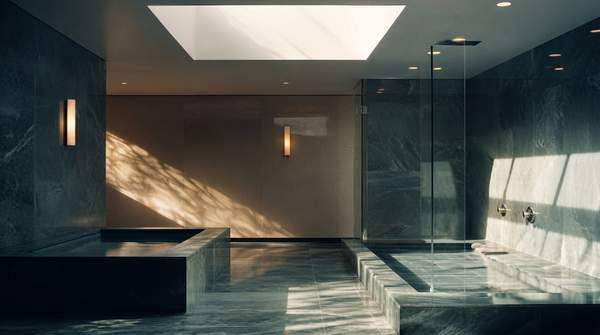
The emphasis on longevity and inherent quality over disposability directly aligns with the economic benefits of sustainable materials. Eco-conscious choices are not merely ethical; they are financially astute investment strategies for discerning luxury property owners. Sustainable materials demonstrably enhance property value while reducing ecological footprint, as noted by Aspire Fine Homes. This transformation redefines luxury property from a status symbol based on mere acquisition into one defined by enlightened stewardship, where discreet sustainability drives both market appeal and long-term asset value.
Beyond Green: The Tangible Benefits of Sustainable Luxury Homes
The financial and practical benefits of sustainable luxury properties extend beyond environmental stewardship. For discerning owners, eco-conscious choices represent a financially astute investment, prioritizing enduring quality, resilience, and measurably reduced operational costs over fleeting trends. This approach also cultivates a healthier, more integrated living environment.
Developers who fail to integrate verifiable environmental responsibility risk appearing outdated and out of touch. The cultural shift, where 'it's classier not to broadcast logos' among the uber-affluent, suggests that luxury brands relying on overt displays will increasingly alienate their target demographic. True luxury now resides in verifiable ecological commitment and discreet, long-term value, not conspicuous consumption. The implication is clear: sustainability is not merely an add-on; it is a fundamental prerequisite for relevance in the evolving luxury market, dictating future property values and brand perception.
Designing such properties involves integrating advanced systems and thoughtful material choices from the outset. Features like smart home technology for optimized energy usage and water-saving fixtures significantly contribute to overall sustainability, according to Worth. Emphasizing natural light, passive ventilation, and high-performance insulation further minimizes reliance on artificial heating and cooling systems, thereby reducing energy consumption.
By 2026, the market for high-end properties will likely consolidate around offerings that prioritize intrinsic value, enduring longevity, and a demonstrable commitment to sustainability. Projects like Marisol Malibu, with its zero-carbon certification, appear to be setting the definitive standard for luxury property design and market expectations well into the next decade.